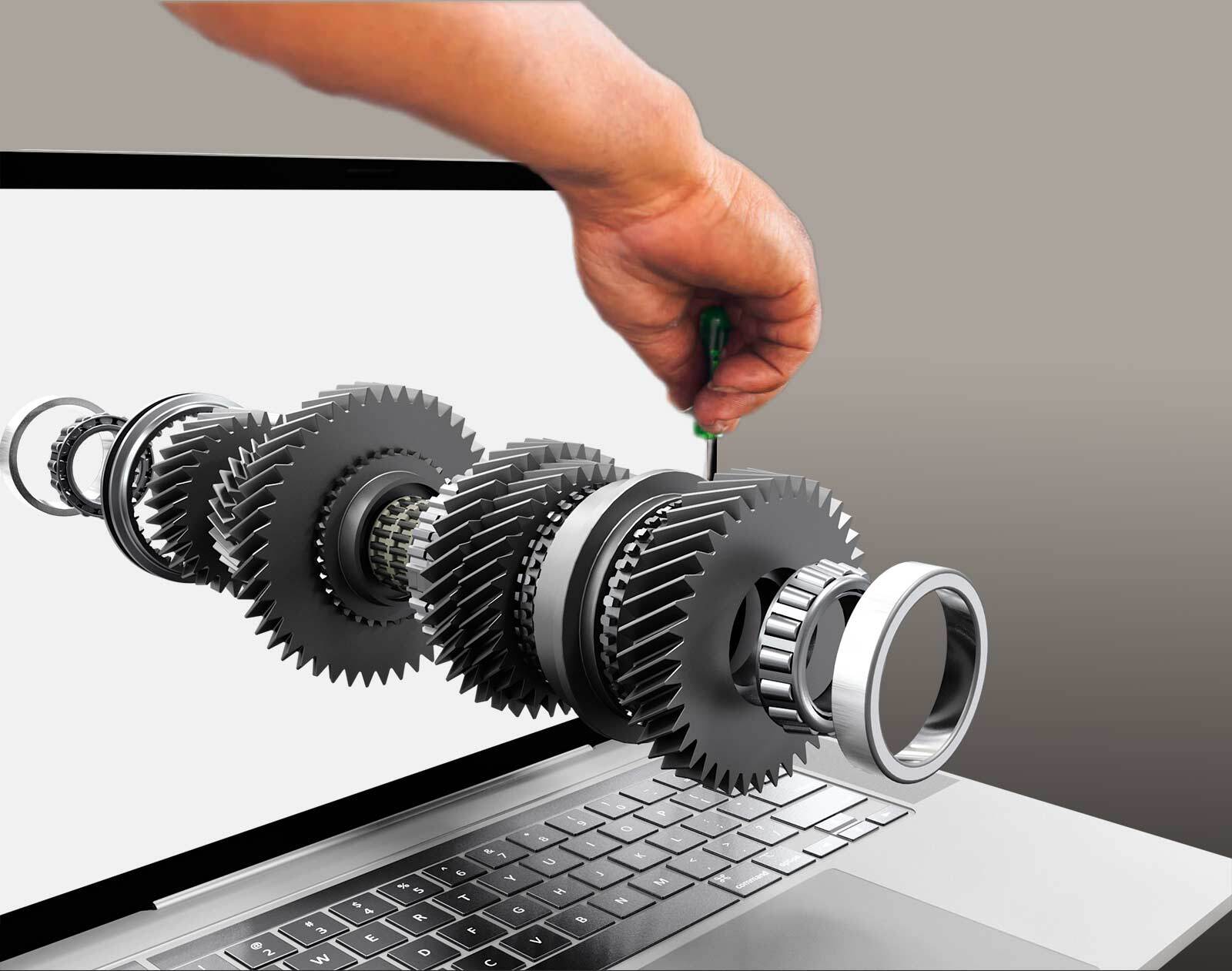
No document project
Repair information is generated from engineering data, not written from scratch.
Give customers and independent repairers controlled access to spare parts and repair information. Anipart builds it from your CAD, PDM and PLM data, so compliance does not become another manual project.
Runs in the cloud, on prem or offline.
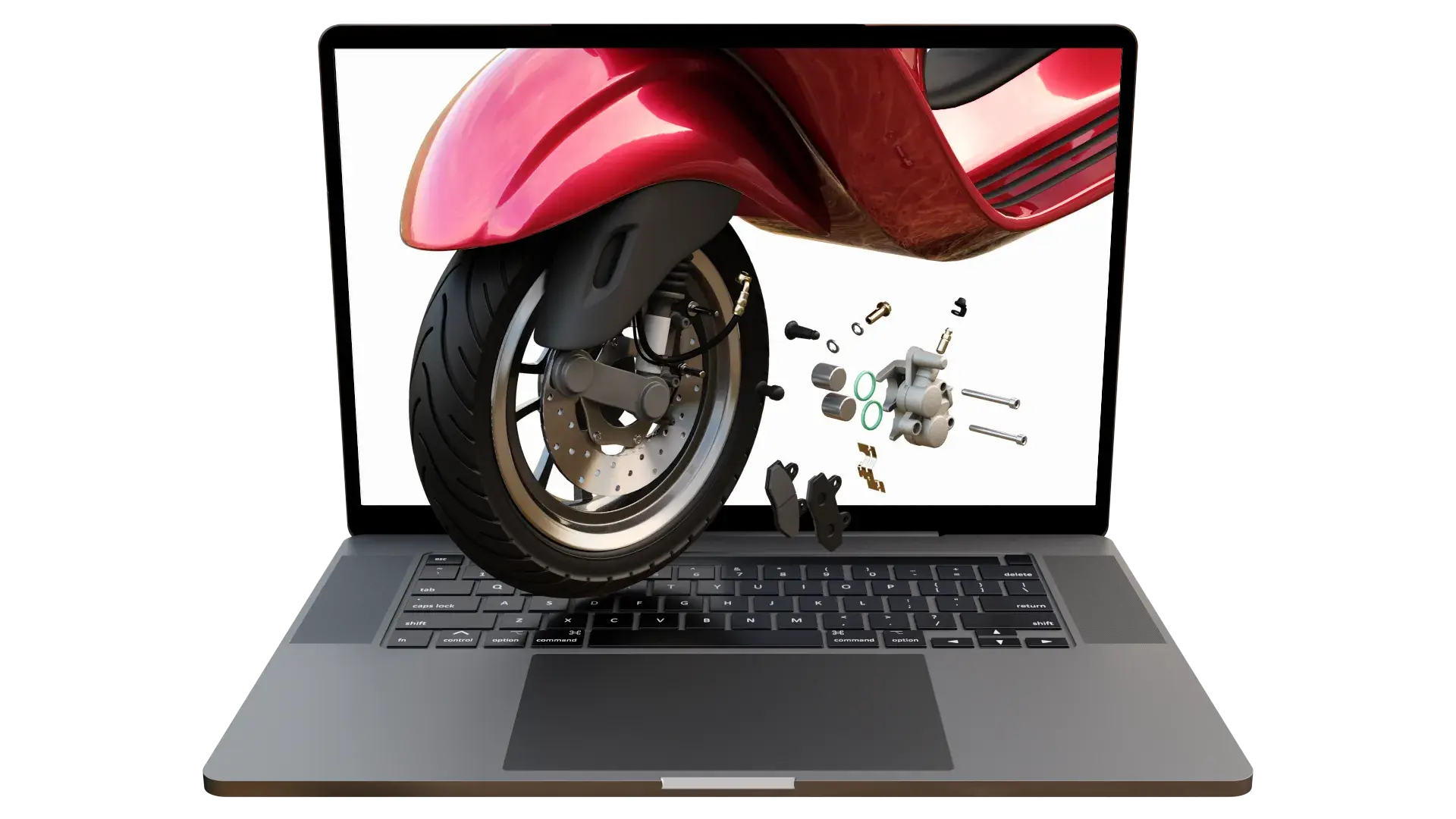
Right to Repair has to be met either way. The question is what it costs, and whether parts sales stay with you.
Repair information is generated from engineering data, not written from scratch.
You decide what each audience can see. Your technical data stays yours.
When repairers find the right part through you, the aftermarket stays in your channel.
Repair information, spare parts and tools must be available to independent repairers, not only to authorised service partners.
Information has to stay accurate and up to date across the product lifetime, in many cases for many years after sale.
The manufacturer is responsible for the quality of the documentation and has to be able to show how it is managed.
The directive applies to the product categories in its Annex II, and the scope is expected to grow. Read what is in scope
Anipart replaces scattered files with a single environment for repair documentation, spare parts identification and training.
Approved procedures and service documentation live in one place. Every site, region and language works from the same version.
Each user sees what they are authorised to see. Version history shows what changed and when.
An audit trail shows regulators, customers and internal teams what was used and when.
We do not rebuild your product by hand. Geometry, structure and part data come from your PDM and PLM systems, and the content is generated from the same data. That keeps the cost down and the material up to date.
Geometry, structure and part numbers, straight from the systems you already use.
Models are optimised for the web and exploded views are generated from the geometry.
Steps, parts and safety information are built in Anipart Studio on the same model.
Published to the right audiences in the browser. When engineering changes, the information follows.
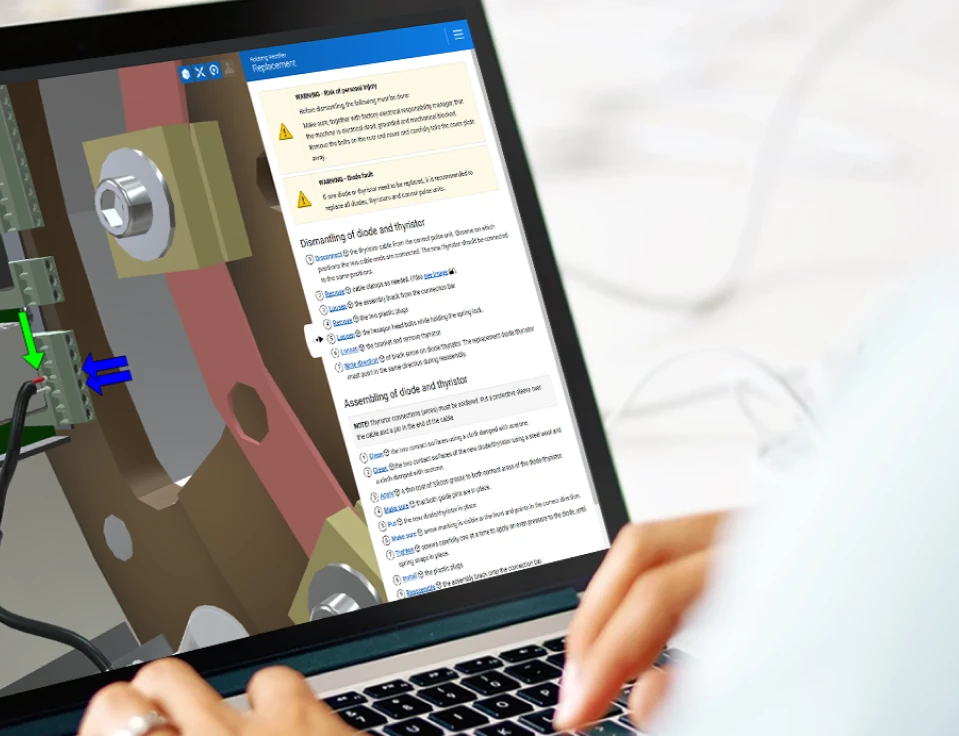
Documentation content never passes through Anipart’s servers. It stays on your infrastructure, and end users see optimised visualisation models rather than raw engineering files.
A practical walk through scope, timing and the road to compliance.
Download the guide →See how ready your organisation is across documentation, data, processes and technology.
Take the self-assessment →A plain explanation of who is affected, what is covered and what changes.
Read the article →Common questions from manufacturers about the directive and about Anipart.
Directive (EU) 2024/1799 requires manufacturers of covered products to make repair possible and affordable. Repair information, spare parts and tools must be accessible to consumers and independent repairers. The aim is to extend product lifetimes, reduce waste and end dependence on manufacturer only service channels.
The directive covers the product categories listed in its Annex II, for example washing machines, dishwashers, refrigerators, displays, welding equipment, vacuum cleaners and servers. The list is expected to grow, so manufacturers across industrial and consumer sectors should assess their exposure now.
Yes. Anipart runs in the browser, but it does not depend on the internet. You can run it in the cloud, on premise on your own servers, or offline, for example in a workshop, on board a vessel or at a customer site without a connection. Your product data can stay inside your own environment.
Requirements vary by product category but generally include repair and maintenance documentation, spare parts availability, access to diagnostic tools and, in some cases, the ability to identify and order parts independently. The information must be clear, usable and not locked behind proprietary systems.
Anipart Client can be configured for public access without login, giving consumers direct access to interactive repair documentation and spare parts identification. The same content your service teams already use can be shared, and access is managed in Anipart Dashboard, so you decide what is public and what stays restricted.
No. If you already use Anipart for service or aftermarket documentation, Right to Repair is a configuration change, not a new implementation. You publish the relevant content and set the access level in Anipart Dashboard.
Member states were required to apply the rules from 31 July 2026, so the obligations are now live, although national implementation varies. Good documentation workflows take time to build, and the same infrastructure has service and aftermarket value regardless of regulation.
It depends on your product range and how much repair information already exists. The logic is simple: generating it from existing engineering data costs less than writing and maintaining documents by hand, and parts sales stay in your channel. In a demo we go through your situation.
Book a demo and we’ll show what Anipart looks like for your Right to Repair obligations.
We walk through your product, your parts data and your ordering flow, and come back with a clear next step.
Prefer to pick a time?
We use your details to respond to your request and keep them for up to 24 months after our last contact. Read more in our privacy policy.