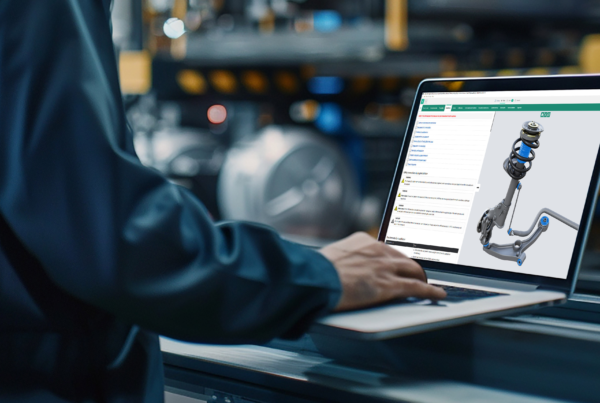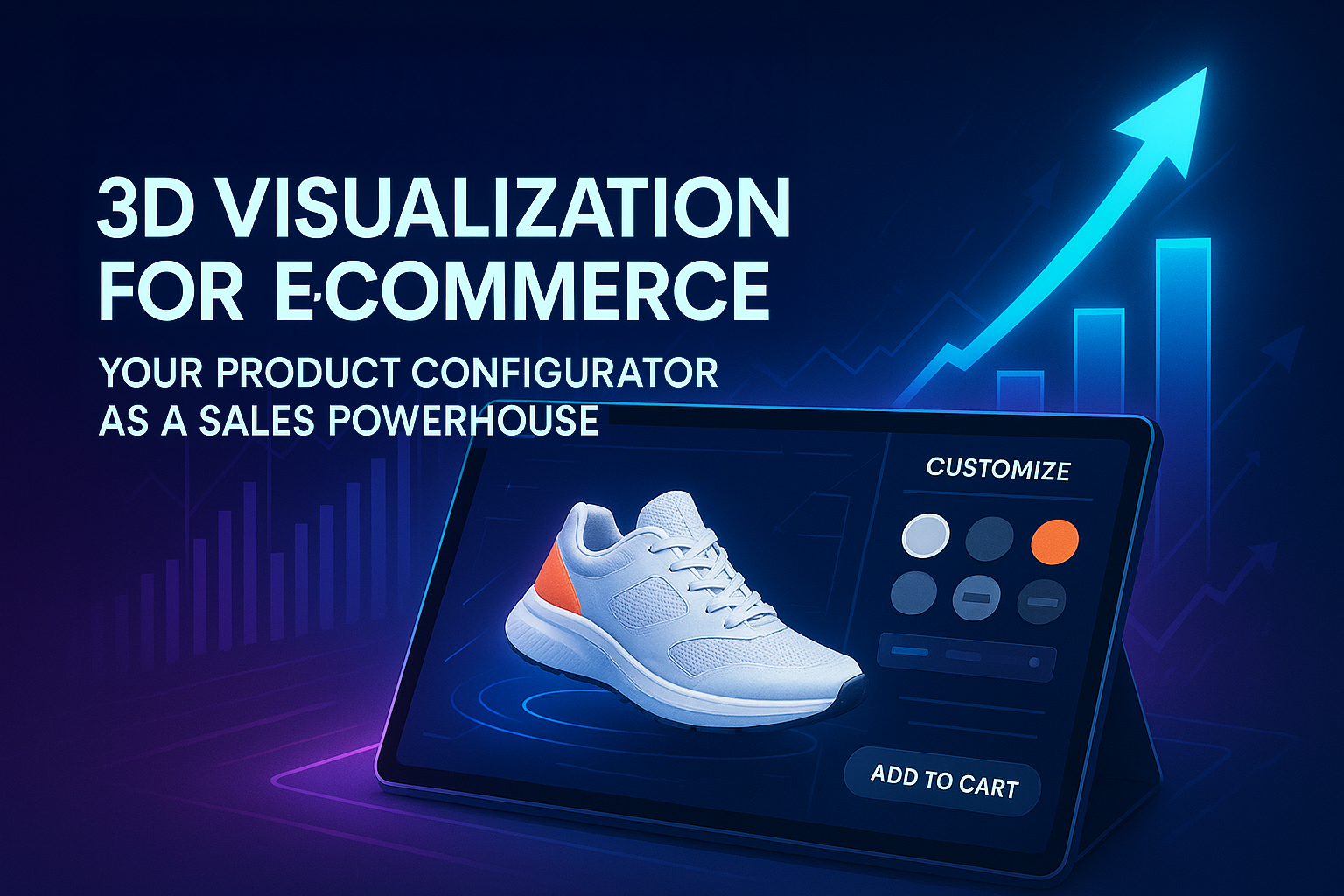
A visitor to your webshop decides quickly whether the product is worth a closer look. Static images and a block of text only go so far. Interactive 3D visualization lets the visitor understand the product at once, and a configurator takes them from looking to choosing. This article covers what that does for an online store.
3D visualization in e-commerce
- Trust: the shopper sees exactly what they are getting.
- Data: you see which options are chosen and where people hesitate.
- Integration: the configuration goes into your platform and systems.
- Mobile: runs in the browser, built for touch.
From static to interactive
Visitors compare you with the best experiences they have online, not only with your competitors. Interactive 3D explains, guides and inspires at the same time, and it works around the clock. It is a way to make the product itself do some of the selling.
Example: Oscar Jacobson
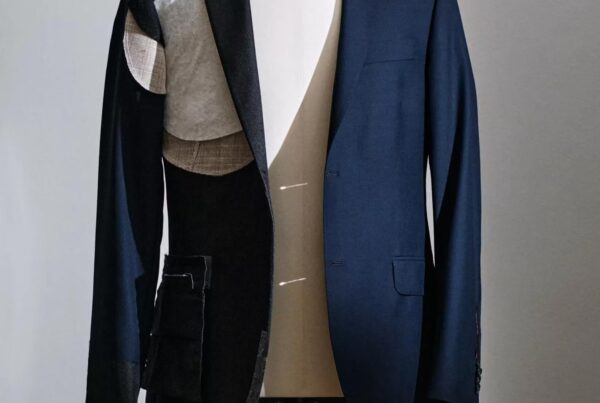
For Oscar Jacobson we built a 3D configurator where customers design their suit in photorealistic 3D. Fabric, fit and details are reflected on screen at once, and no technical knowledge is needed. The sales team can also see what customers choose and where they hesitate. Read the Oscar Jacobson case.
Why photorealism matters
Realistic surfaces, light and materials are not just about looks. When the product on screen matches what arrives, buyers trust it, which matters most in categories such as fashion, furniture and consumer electronics. Rendering runs in the browser with WebGL, so there is nothing to install.
The configurator as a data source
A configurator connected to PIM, ERP and CRM shows which combinations are popular, which choices lead to purchase and which colours get skipped. That helps sales, marketing and product teams decide. How integrations work.
From selection to order
A configurator should end in a purchase. That takes 3D modelling and product data, a flow into the cart or a quote, and integration with your e-commerce platform. Aniconfigurator for e-commerce.
Built for mobile
Many shoppers meet your product on a phone. Interface, rendering and load times need to be built for touch. Because the 3D runs on the device in the browser, without a cloud server in between, interaction stays immediate.
Read also why a 3D product configurator belongs in your webshop and how to buy.
Frequently asked questions
What does 3D visualization do for an online store?
It lets shoppers see and configure the product in the browser, which builds trust, and it gives you data on what they choose.
Does it work on mobile?
Yes. Aniconfigurator is built for touch and runs in the browser without plug-ins, on WebGL.
What is photorealistic 3D for?
Trust. When the product looks like what will be delivered, buyers feel safer completing the purchase.
About the author. Staffan Hagberg is CMO and Head of Sales at Animech. He has sold real-time 3D and configurator solutions to industrial and consumer brands for about 14 years. About Animech.